How Depreciation Affects Your Contents Payout
Personal property depreciates fast — electronics, clothing, and appliances can lose most of their value in just a few years.
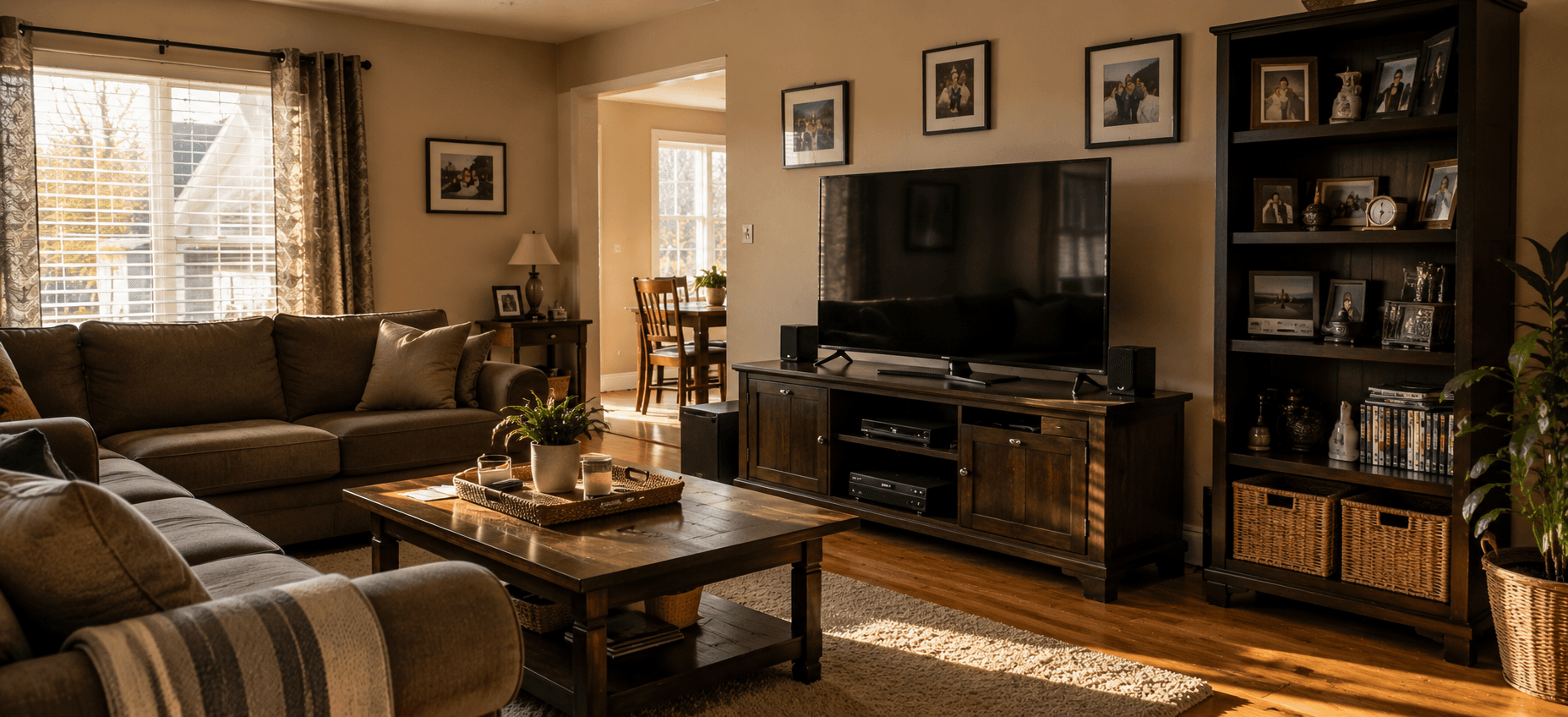
How Depreciation Affects Your Contents Payout
Personal property depreciates faster than most homeowners expect — and if your contents are covered at actual cash value, that depreciation directly and permanently reduces your claim payout. Understanding how depreciation is applied to different categories of belongings helps you build a more accurate picture of what to expect, and identifies where documentation can make a difference.
Why Does Personal Property Depreciate So Much Faster Than Structures?
The structure of your home has an expected useful life measured in decades. Personal property has a much shorter functional lifespan driven by technology cycles, fashion, wear patterns, and obsolescence.
A three-year-old laptop isn't worth what you paid. A seven-year-old washing machine isn't either. This rapid depreciation means ACV payouts on personal property can be substantially lower than replacement costs — even for items in perfectly good working condition that you'd happily use for years more.
What Are Typical Depreciation Rates for Contents Categories?
Electronics — TVs, computers, phones, tablets Expected life 3-5 years under most schedules. A four-year-old laptop that cost $1,400 might be valued at $300-$500 at ACV. A three-year-old 65-inch TV might be valued at $200-$400. Electronics are among the fastest-depreciating categories.
Major appliances — refrigerators, washers, dryers, dishwashers Expected life 10-15 years. A ten-year-old refrigerator costing $1,700 to replace might be valued at $350-$600 at ACV. A seven-year-old washer costing $900 to replace might be valued at $300-$450.
Small appliances Expected life 5-10 years. Variable by type and quality.
Clothing and shoes Expected life 1-5 years, highly variable by category and quality. Mass-market clothing depreciates quickly; designer and high-quality items less so.
Upholstered furniture — sofas, chairs, mattresses Expected life 5-10 years. A $3,000 sectional purchased 6 years ago might be valued at $600-$1,200 at ACV.
Hardwood and solid furniture Expected life 15-30+ years. Significantly slower depreciation than upholstered furniture.
Jewelry and fine art Often not depreciated — valued at current market or appraised value (subject to any applicable sub-limits). This is one of the most significant exceptions to standard depreciation.
Musical instruments Variable — some instruments (particularly vintage or rare instruments) appreciate rather than depreciate. Standard instruments follow a moderate depreciation schedule.
Books, media, and sporting goods Variable by category and age.
How Can Documentation Affect the Depreciation Applied?
Depreciation schedules are starting points based on assumed age and condition. When the assumptions are wrong, the rates are disputable — and documentation is your evidence.
Document actual age, not assumed age. If your appliance was purchased two years ago but the insurer assumes it matches the home's age, your purchase receipt establishes the actual installation date. A newer appliance is deprecated less.
Document condition, not just age. Insurance depreciation assumes typical wear for a given age. An item that's well-maintained — a refrigerator serviced annually, a couch in a smoke-free, pet-free home — may warrant a lower depreciation rate than the standard schedule applies. Photos showing pre-loss condition and any service records support this argument.
Document original quality. Higher-quality items within a category may have longer expected useful lives than the standard schedule assumes. A high-end kitchen appliance from a premium manufacturer has a longer expected life than an entry-level equivalent of the same age.
What Changes Under RCV Contents Coverage?
If your contents are covered at replacement cost value rather than ACV, depreciation is withheld from the initial payment but is recoverable after you replace each item and document the replacement.
The practical implication: every replacement receipt matters. Under RCV contents coverage, keep every receipt for every item you replace. Submit them to your insurer with a request for depreciation release — the withheld amount on each item is yours to recover once you document replacement.
Know your deadline. Most policies require filing within 180 days to two years of the loss date. Don't wait.
What Are Your Options Under ACV Contents Coverage?
Under ACV, the depreciation applied is final — there's no recovery after replacement. Your levers are:
Completeness of inventory. Items not submitted aren't paid. A thorough, complete inventory is the most important step.
Age documentation. Establish actual purchase dates. Items younger than assumed are deprecated less.
Condition documentation. Pre-loss photos and maintenance records support lower rates for well-maintained items.
Replacement pricing. Current retail pricing for equivalent items is the baseline. If the insurer's database pricing is below current retail, document current market prices and dispute the basis.
Category classification. Confirm items are classified into the right depreciation category. Misclassification into a faster-depreciating category means unnecessary loss.
Frequently Asked Questions
Why is my almost-new appliance being significantly depreciated? Even items purchased recently depreciate from the date of purchase. For items less than 1-2 years old, your purchase receipt establishing the near-new status is strong documentation for disputing aggressive depreciation rates.
Can I dispute the depreciation schedule itself, or only the rates applied to specific items? You can dispute the rates applied to specific items — arguing that the item's actual age, condition, and remaining useful life warrant a lower rate. You generally cannot challenge the existence of depreciation schedules, only their application to your specific items.
Do I have to replace items to recover depreciation under RCV contents? Generally yes — most RCV contents policies require actual replacement and documentation before releasing withheld depreciation. Items you choose not to replace are typically settled at ACV.
What if I can't find an exact replacement for a damaged item? "Like kind and quality" is the standard — functionally equivalent, not necessarily identical. If the closest equivalent costs more than the original, document why and submit the replacement receipt.
How do I find out the specific depreciation rates being applied to my items? They're in your line-item contents settlement — each item shows the replacement cost, the depreciation percentage, and the resulting ACV. If your settlement doesn't break these out, ask your insurer for the detailed breakdown.
Contents Depreciation Reference Checklist
- Electronics depreciate fastest — 3-5 year expected life; document purchase dates carefully
- Major appliances: 10-15 year life; service records support lower rates
- Upholstered furniture: 5-10 year life; hardwood furniture depreciates much more slowly
- Clothing: 1-5 years; highly variable
- Jewelry and fine art: often not depreciated — subject to sub-limits, not depreciation
- Dispute rates that don't match actual age or condition — purchase records and photos are your evidence
- Under RCV contents: keep every replacement receipt and file for depreciation recovery before the deadline
ClaimEase provides general guidance. Coverage determinations are made by your insurer. Consult a licensed public adjuster or attorney for specific advice about your claim.